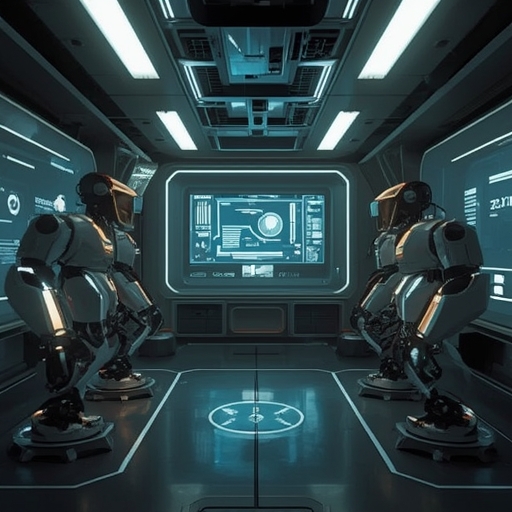
The contemporary field of robotics is advancing at an astonishing pace, progressing far beyond many of the predictions once held by experts and enthusiasts alike. Yet, this evolution is not unfolding solely along the expected trajectory of creating machines that mimic human appearance or behavior. Instead, automation is steadily transforming the underlying structures of global industries—ranging from manufacturing and healthcare to logistics and service sectors—and with that transformation comes a profound shift in how we conceptualize innovation itself. Rather than concentrating exclusively on the dream of anthropomorphic robots, the spotlight is moving toward functional, intelligent systems designed to enhance productivity, improve safety, and expand the boundaries of human capability.
This transformation invites a deeper reflection on where the true potential of robotics resides. The industry is experiencing both remarkable advancements and significant challenges, including complex economic dynamics, ethical considerations, and the logistical realities of integrating these technologies into existing workflows. Even as some organizations struggle to adjust to the new technological wave, pioneers within the field persist in demonstrating that robotics should not be viewed through the narrow lens of imitation, but rather as a profound tool for augmentation—an instrument that extends human potential rather than attempting to replace it. The current discourse, therefore, no longer revolves around whether robots can behave like humans, but how they can effectively collaborate with us to produce meaningful, efficient, and sustainable progress.
In this unfolding narrative, innovation is defined not only by sophistication of design or intelligence of code, but by its tangible impact on everyday operations and societal well-being. Purposeful automation drives this new era, characterized by systems that think, learn, and adapt with precision—technologies that simplify life without sacrificing depth or creativity. The robotics revolution of the present moment is less about spectacle and more about substance: enhancing our world through intelligent design and pragmatic application. As we move forward, it becomes increasingly clear that the essence of robotics lies beyond the allure of humanoid forms—it rests in the capacity of machines to work harmoniously alongside us, reshaping industries and enriching human lives through thoughtful, purposeful innovation.
Sourse: https://www.bloomberg.com/news/videos/2025-12-17/irobot-co-founder-greiner-on-the-future-of-robotics-video