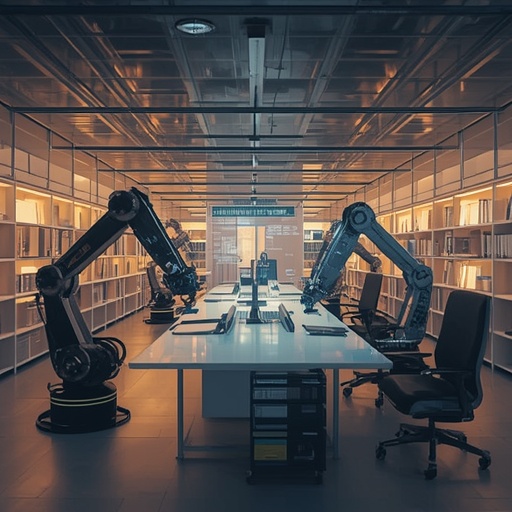
Amazon has once again undertaken a substantial reduction of its retail workforce, continuing a strategic realignment that places artificial intelligence and automation at the very core of its operational philosophy. This latest decision underscores the company’s recognition that the future of large-scale retail lies not simply in traditional expansion, but in the intelligent deployment of advanced technologies capable of streamlining processes, predicting consumer behavior, and driving precision-based efficiency across all business functions.
Rather than interpreting the current layoffs as an isolated cost-cutting effort, analysts view this move as a calculated maneuver—a fundamental reshaping of how Amazon envisions its retail ecosystem in the coming decade. The company’s executives have repeatedly emphasized that machine learning algorithms, data-driven inventory systems, and AI-powered logistics will enable smoother, faster, and more sustainable operations. By replacing certain manual processes with automated capabilities, Amazon aims to reduce inefficiencies, minimize delivery delays, and respond to market fluctuations with unprecedented agility.
This transition reveals a broader reality surfacing across nearly every major industry: artificial intelligence is no longer a peripheral tool but the central engine of transformation. For Amazon, the focus on AI-driven optimization suggests that human labor will increasingly converge with digital intelligence rather than compete against it. The company’s retail evolution mirrors similar technological shifts within manufacturing, logistics, and even customer service—sectors now prioritizing predictive analytics and robotic systems to enhance output while mitigating risk.
Observers note that this restructuring could mark the beginning of Amazon’s next growth phase, one potentially defined more by technological sophistication than raw personnel expansion. In this sense, the company is positioning itself as both a pioneer and a case study in the balance between workforce adaptation and digital integration. The world’s largest retailer is demonstrating how strategic reliance on AI can fundamentally rewire corporate productivity models while sustaining innovation and global competitiveness.
Ultimately, the question that emerges for employees, investors, and policymakers alike is not merely how many workers are affected today, but what role those workers—and humans in general—will play in a world increasingly optimized by intelligent machines. Amazon’s latest labor reductions serve as a clear indicator that the future of work is rapidly approaching, defined as much by code and computation as by human ingenuity. The company’s bet on automation, though not without controversy, may well be the blueprint for how global enterprises weather economic volatility and harness technological evolution to sustain long-term growth.
Sourse: https://www.businessinsider.com/amazon-continues-job-cuts-retail-ai-2026-5