In today’s rapidly evolving digital landscape, the intersection of technology and human experience has become both alluring and unsettling. Wearable artificial intelligence—once perceived as a distant concept of science fiction—has now transitioned into a tangible part of our everyday lives. Devices such as AI-driven glasses and smart accessories promise convenience, connectivity, and even aesthetic appeal. Yet beneath the polished exterior and futuristic design lies a fundamental question about the cost of such innovation: are we subtly exchanging the warmth of genuine human authenticity for the cool efficiency of artificial intelligence?
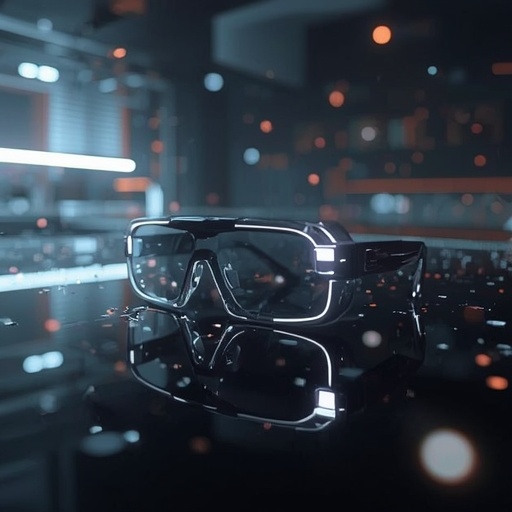
As technology increasingly merges with fashion, the line between innovation and impersonation begins to blur. The sleek, minimalist look of AI-enhanced eyewear may symbolize progress, but it simultaneously evokes a sense of detachment—a feeling that what we are embracing might be more synthetic than soulful. While these wearables impress with their seamless integration of style and function, they also risk transforming human interaction into a curated performance mediated by algorithms and sensors. Every stylish frame and digital lens becomes more than an accessory; it turns into a statement about what society values: connection, intelligence, or perhaps image.
Public figures and cultural commentators have begun to voice meaningful concerns about this transformation. In an age defined by augmented and mixed realities, the charm of authentic human presence is at risk of being overshadowed by continuous digital augmentation. We are, in essence, living within a paradox—yearning for intimacy and sincerity, yet depending on forms of technology that inherently distance us from the raw, unfiltered emotions that define those very qualities.
Innovation, while indispensable, cannot fully substitute the magnetism of something real. Just because a device can simulate empathy or augment sensory experience does not mean it can replicate the subtleties of human warmth or the spontaneity of genuine connection. The notion of what is considered “sexy,” “intriguing,” or “desirable” thus experiences a subtle redefinition in this era dominated by artificial intelligence. Perhaps what remains truly captivating is not the flawless precision of machines but the imperfect beauty of humanity itself—the glimmer in the eye that no algorithm can recreate, the emotional resonance that no device can mimic.
As the world accelerates toward a high-tech future, we find ourselves at a crossroads. In our pursuit of progress, we must ask: how can we preserve the sparks of authenticity that define real presence and emotion? The future of wearable AI will not only depend on technological refinement but on our collective ability to design innovation that complements—rather than replaces—the essence of being human. Only by maintaining this delicate balance can modern society ensure that, even amidst glowing screens and augmented realities, the most attractive quality remains something profoundly real.
Sourse: https://techcrunch.com/2026/07/14/lorde-says-ai-glasses-are-not-sexy/