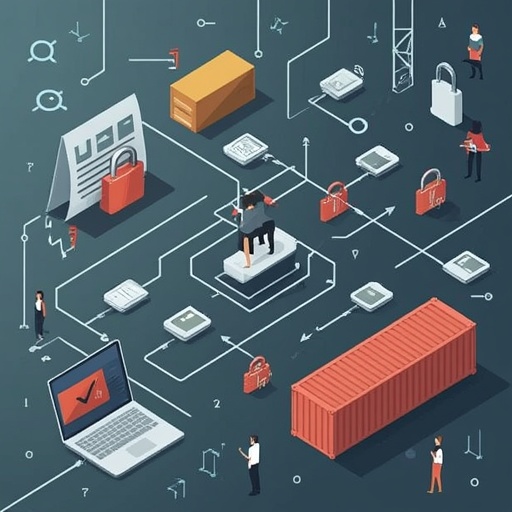
Across the intricate landscape of international trade, an unexpected yet increasingly common obstacle is slowing the flow of long-awaited tariff reimbursements: digital disarray. What might seem like a routine administrative matter — logging into an online portal, submitting the correct documentation, or ensuring that a shipment is properly categorized — has, for countless businesses, evolved into a complex web of technical complications and bureaucratic confusion.
After years of absorbing the financial weight of tariffs imposed during earlier policy cycles, many companies now see the opportunity to reclaim a portion of those costs. Yet at the critical moment when relief appears within reach, passwords have been misplaced, credentials expired, and online authentication systems have proven labyrinthine. The consequences extend far beyond mere inconvenience. In global commerce, each delay echoes through accounting ledgers and operational forecasts, forcing decision-makers to adjust strategies and defer reinvestment plans.
Compounding the issue are misclassified goods — shipments that, due to seemingly minor data entry mistakes or incorrect customs classifications, become ensnared in verification loops. A mislabeled part number or an unclear description can trigger prolonged reviews by customs authorities, causing weeks or even months of waiting. As trade compliance officers meticulously retrace the digital trail, they often discover that the problem lies not in the physical movement of products but in the intangible fragility of data accuracy.
This confluence of digital and regulatory complexity reveals a broader truth about the modern trade ecosystem: precision in information management has become as essential as efficiency in logistics. Businesses adept in market forecasting, procurement, and distribution are now compelled to master an additional field — the art of maintaining flawless digital administration. One forgotten password can freeze a multimillion-dollar reimbursement; one mistyped code can alter the fiscal outcome of an entire quarter.
Thus, the pursuit of tariff refunds has evolved from a matter of economic fairness into a test of organizational discipline. Those companies that succeed do so not merely through persistence but through an understanding that technology, governance, and human oversight must operate in synchronized balance. The lesson is clear — in an era where trade recovery depends on digital precision, even the smallest technical oversight can cast a long and costly shadow across the global supply chain.
Sourse: https://www.businessinsider.com/businesses-face-hurdles-getting-us-tariff-refunds-forgotten-passwords-2026-5