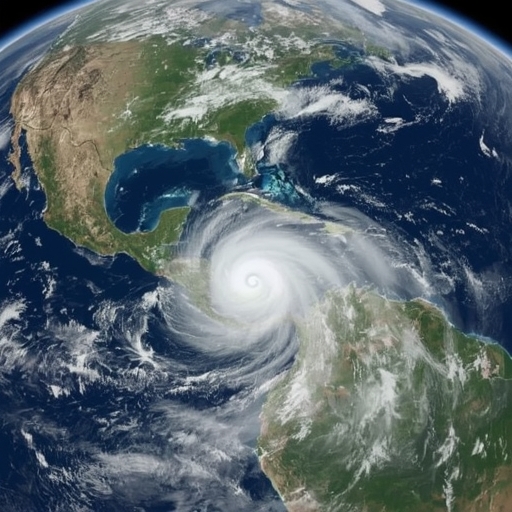
Hurricanes are not named spontaneously or arbitrarily; rather, their names emerge from an intricate and meticulously planned process that takes place years in advance under the supervision of the National Hurricane Center. This systematic naming convention ensures that each storm can be identified and tracked with precision, which is essential for effective communication, global coordination, and public safety during extreme weather events. As part of this ongoing preparation, the roster for the 2026 hurricane season has already been finalized, featuring distinctive names such as Kyle, Teddy, and Nana—monikers that may soon become synonymous with the raw and awe-inspiring power of nature’s most intense tempests.
The practice of preselecting hurricane names demonstrates how far meteorological planning and international collaboration have evolved. The lists, rotated and reused every six years with replacements made for especially destructive storms, serve multiple purposes beyond mere identification. They reduce confusion when several systems are active at once, enabling meteorologists, broadcasters, and emergency agencies to deliver clear, consistent updates that reach millions of people across different nations and languages. For example, when forecasters refer to a specific storm by its assigned name—say, Hurricane Teddy—it immediately distinguishes that system from others, ensuring messages of evacuation or caution are precise and universally understood.
For the 2026 season, names such as Kyle, Teddy, and Nana already conjure a sense of preparedness and scientific vigilance. Each represents not only an alphabetical point in the seasonal progression but also the human effort to bring order to an unpredictable natural world. The careful selection of these names embodies the harmony between meteorological science and public awareness, laying the groundwork for awareness campaigns, emergency response coordination, and long-term climate education. In essence, learning that hurricane names are predetermined years before they make headlines fosters a deeper appreciation for the planning and foresight that underpin modern weather monitoring systems.
By staying aware of these upcoming hurricane names and understanding the history behind how they are chosen, communities can become more engaged with climate readiness. While the 2026 storms bearing the names Kyle, Teddy, or Nana may never materialize with the destructive force some fear, their very existence on the list symbolizes preparation, resilience, and scientific responsibility. Ultimately, the naming process highlights humanity’s continual drive not to control nature, but to coexist with it intelligently—equipped with knowledge, vigilance, and an enduring respect for the forces that shape our world.
Sourse: https://www.businessinsider.com/how-hurricane-get-names-list-hurricane-season


