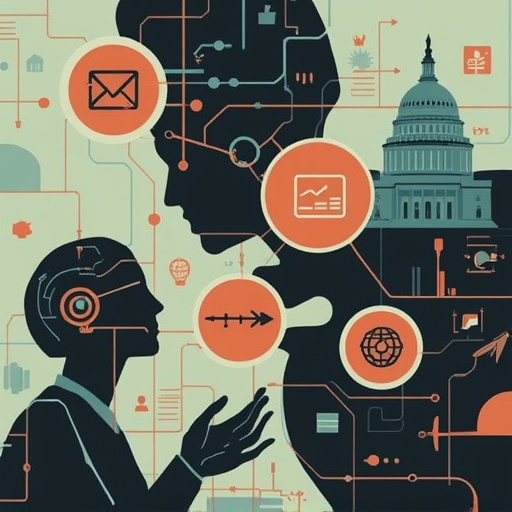
As OpenAI approaches the long-anticipated milestone of becoming a publicly traded company, the journey toward its initial public offering has become increasingly complex, marked by both political scrutiny and public debate. What was once viewed primarily as a landmark event in the technology sector—a pioneering artificial intelligence company moving into the open market—has now evolved into a multifaceted issue intertwined with questions of governance, accountability, and national influence. Republican lawmakers, joined by several state attorneys general, have intensified their calls for a more penetrating examination of the organization’s internal operations, particularly its leadership structure and the transparency of its financial practices. Their concerns reflect a broader apprehension about the growing power and societal impact of artificial intelligence enterprises, especially those that hold vast datasets and operate at the cutting edge of machine learning innovation.
The U.S. House Oversight Committee, a central arm of congressional inquiry, has reportedly expressed interest in gaining greater insight into how OpenAI manages its corporate decision-making and allocates its financial resources. This heightened demand for oversight underscores a broader political trend wherein rapid technological progress increasingly attracts government attention and regulatory curiosity. The intersection of innovation and public accountability has, in recent years, come to define the landscape in which major tech companies must operate. OpenAI now stands at that very crossroads, facing both the enthusiasm of investors eager to participate in its IPO and the skepticism of policymakers concerned about ethical standards, transparency, and the potential societal implications of artificial general intelligence.
Beyond the political theater, this situation speaks to a deeper tension between two often competing forces: the boundless drive of technological advancement and the cautious pace of democratic oversight. For industry professionals, this unfolding narrative serves as a reminder that innovation does not exist in a vacuum—it must coexist with public trust, legal responsibility, and the evolving expectations of stakeholders. As conversations around AI governance gain momentum, OpenAI’s preparation for an IPO has become not only a financial event but also a test case for how emerging technologies can navigate scrutiny while maintaining the visionary momentum that propels them forward.
In essence, the company’s upcoming IPO embodies more than a financial transition; it has come to symbolize the broader dialogue between creators of transformative technologies and the institutions tasked with ensuring they develop responsibly. Whether one views this moment as a regulatory challenge or as an opportunity for deeper transparency, it undoubtedly marks a defining chapter in the continuing interplay between technology, ethics, and public policy—a dynamic now more visible than ever as OpenAI’s ambitions intersect with the mechanisms of democratic oversight. #OpenAI #AI #TechPolicy #IPO #Innovation
Sourse: https://www.wsj.com/tech/ai/sam-altmans-business-dealings-under-gop-scrutiny-ahead-of-openais-ipo-52c1cc4d?mod=rss_Technology