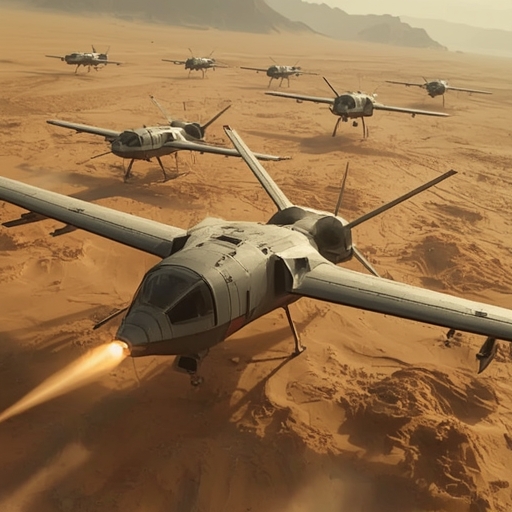
The recently discovered cache of Iranian drones and missile systems provides a striking and comprehensive view into the nation’s growing military capabilities. What was once an abstract intelligence concern has, through these physical seizures, transformed into concrete evidence of Iran’s sophisticated and adaptive weapons development program. Each recovered component—from guidance electronics to propulsion systems—serves as a tangible demonstration of the regime’s strategic ambition to assert dominance, not only in domestic defense but also across regional theaters of influence.
The revelations come after a grueling six weeks of sustained conflict, a period that has tested both the endurance of local forces and the geopolitical patience of the broader international community. Despite concerted military efforts to suppress Iran’s offensive reach, the continuing presence and readiness of its aerial and missile technologies reflect an alarming resilience. These weapons, deployed with calculated precision, symbolize not only tactical capability but also an ongoing strategic message: Iran’s threats persist well beyond the immediate battlefield.
Strategically, the discovery underscores the intricate network behind Iran’s arms production and distribution. Each piece of equipment, meticulously engineered and field-tested, reveals layers of logistical coordination that connect national laboratories, covert supply chains, and regional proxies. To understand the scope of these operations is to grasp the multifaceted nature of Iran’s defense doctrine—a hybrid of deterrence, demonstration, and protracted influence. The implications extend far beyond military analysis, shaping policies in foreign ministries, defense agencies, and security think tanks worldwide.
From a geopolitical perspective, the endurance of Iran’s arsenal highlights an evolving balance of power within the Middle East. The seized drones tell a narrative of innovation under sanction pressure: technologies refined through necessity, optimized for stealth, endurance, and strategic disruption. Meanwhile, the missiles—representations of range and reach—speak to a calculated ambition to maintain leverage over critical regional territories and maritime trade routes. They collectively affirm Iran’s intention not merely to defend its sovereignty but to project influence outward, ensuring that its presence remains impossible to ignore.
Ultimately, what these findings reveal is not limited to the hardware of war, but rather to a mindset of persistence. Six weeks of intense confrontation have not diminished the Iranian regime’s capacity nor curbed its willingness to escalate technologically. On the contrary, they illustrate a sustained posture of defiance, signaling to allies and adversaries alike that Iran’s strategic narrative continues to unfold. The world, observing this dynamic, must reckon with the enduring complexity of a conflict that intertwines technological advancement, ideological resolve, and regional security inextricably.
Sourse: https://www.businessinsider.com/arsenal-of-drones-and-missiles-iran-used-to-attack-iraq-2026-4