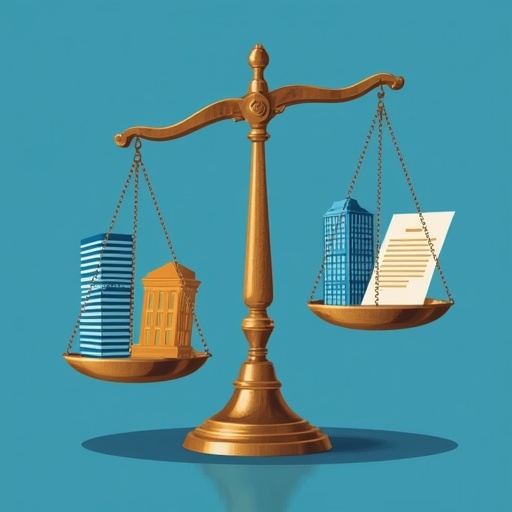
The growing perception that corporate crime is being met with diminishing consequences has sparked an urgent public debate about the integrity of the justice system and the moral standards guiding corporate leadership. Recent developments within the Justice Department suggest a noticeable retreat from aggressive prosecution of corporate wrongdoing. This evolving stance has been illustrated by several high-profile cases in which prosecutors, despite possessing credible evidence indicating the involvement of senior executives, opted not to bring formal charges against the companies in question. Such decisions, while perhaps grounded in strategic considerations, raise profound ethical and legal concerns about the consistency and impartiality of justice in a corporate context.
At its core, this shift challenges the foundational notion that the law applies equally to all, whether private citizens or powerful institutions. If companies and their leaders can avoid meaningful consequences for actions that would provoke swift prosecution in other settings, the very idea of accountability becomes precarious. The implications extend far beyond the confines of any single case: public trust in both the justice system and the broader business environment risks erosion, as people begin to question whether justice is selectively enforced. This perceived leniency could inadvertently signal to corporate executives that misconduct may be tolerated—or even strategically managed—without fear of punishment, provided they operate at a high enough level.
The Justice Department’s evolving approach, therefore, must be examined not only as a legal strategy but also as a reflection of shifting institutional priorities. Critics argue that the decision to scale back prosecutions undermines efforts to promote ethical business culture and diminishes deterrence against future violations. Meanwhile, proponents may contend that complex corporate cases are difficult to prosecute effectively, particularly given issues of evidence, resources, and unintended economic consequences of convicting large firms. Nevertheless, as these debates intensify, one fundamental question remains: should corporations be subject to the same standards of accountability and moral responsibility as individuals who violate the law?
Ultimately, this issue transcends partisan and economic divisions, striking at the heart of how justice itself is defined in a corporate age. If fairness, transparency, and the rule of law are to remain the bedrocks of modern society, the treatment of corporate crime must reflect those values without hesitation or bias. The Justice Department’s new direction thus stands as a pivotal moment—one that tests the equilibrium between practical enforcement considerations and the nation’s enduring commitment to justice, equality, and ethical conduct within both the public and private spheres.
Sourse: https://www.wsj.com/finance/regulation/the-justice-department-is-pulling-back-on-prosecuting-corporate-crime-dabf95a2?mod=pls_whats_news_us_business_f