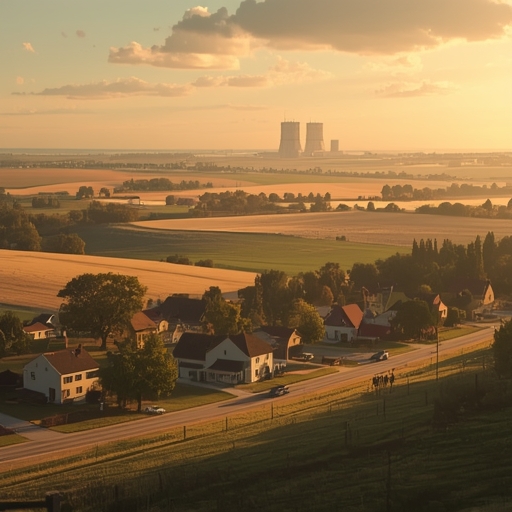
Across the vast, wind-swept plains of the American Midwest, one seemingly unassuming town has found itself thrust into the national spotlight after daring to challenge one of the most powerful forces shaping the modern era: the rapid, seemingly unstoppable proliferation of massive data centers. Once viewed as benign symbols of technological progress, these sprawling complexes—repositories of digital memory and engines powering the world’s incessant online activity—have begun to spark friction in communities where their presence collides with local priorities, environmental concerns, and questions of democratic representation.
In this particular town, residents who once lived quiet, routine lives have now become unlikely revolutionaries in what some are calling the first wave of a grassroots technological uprising. Their resistance began not with loud demonstrations or grand gestures, but through decisive civic action. Frustrated by decisions favoring corporate interests over community well-being, townspeople voted to remove several council members whom they believed had disregarded local voices. The momentum did not stop there: emboldened by their success, citizens soon organized to initiate a mayoral recall, signaling a profound shift in how ordinary Americans are willing to confront the often opaque relationship between small-town governance and global tech power.
The symbolism of this movement reaches far beyond the county lines. By asserting their right to self-determination, the residents have forced a national conversation about the true costs of technological advancement—a dialogue centered not solely on innovation or economic development, but on the moral and ecological responsibilities that accompany such progress. Their message resonates with communities far beyond their borders: rapid expansion, no matter how profitable or forward-looking, must remain accountable to the people whose lives it transforms.
Observers across the country now watch intently as this small-town rebellion unfolds, asking whether it marks the beginning of a broader cultural awakening—one in which ordinary citizens reclaim agency over the direction of technological growth. Their story poses important questions: How can innovation coexist with the preservation of local identity? When does development cease to serve the public good? And most importantly, who gets to decide the future of a community when global industries set their eyes upon it?
In standing up to Big Tech’s data empire, this Midwest town has done more than defend its landscape or political autonomy; it has reminded the nation that the true heartbeat of progress lies not in servers and circuits, but in the collective voice of its people—determined, united, and unwilling to be sidelined in shaping the destiny of their own home.
Sourse: https://www.wsj.com/us-news/the-small-midwest-community-leading-americas-crusade-against-data-centers-92621c55?mod=rss_Technology


