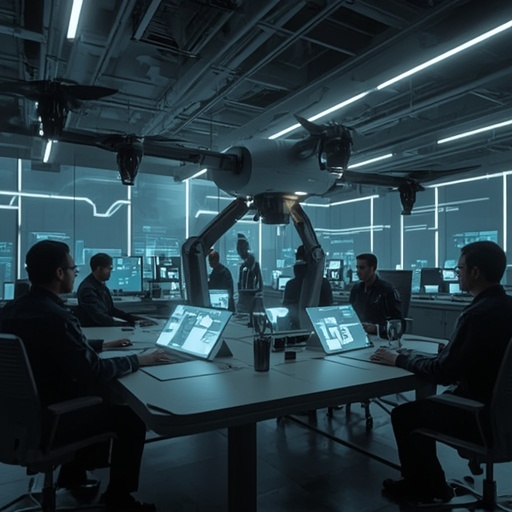
The Pentagon is embarking on a transformative path toward a more inclusive and dynamic model of defense innovation, one that deliberately merges the established expertise of traditional defense contractors with the fresh perspectives and rapid experimentation of emerging technology startups. This evolving strategy represents far more than a simple adjustment in procurement practices—it marks a fundamental cultural shift within one of the world’s most complex and historically conservative institutions. By opening its doors to smaller, more agile companies, the Department of Defense signals a clear understanding that the security challenges of the twenty-first century demand not only strength and scale but also flexibility, creativity, and an unrelenting pace of technological adaptation.
For decades, the Pentagon’s procurement system has largely favored legacy contractors—enormous defense corporations with the infrastructure, manpower, and institutional knowledge necessary to design and deliver systems of immense sophistication. While these firms remain indispensable to the construction of aircraft carriers, fighter jets, and missile defense networks, their processes often reflect the measured tempos and bureaucratic oversight of large institutions. In contrast, the new generation of defense-oriented startups operates with leaner structures, shorter development cycles, and a culture of innovation born from the commercial technology sector. Their approaches—whether in artificial intelligence, autonomous systems, cybersecurity, or advanced materials—embody the same entrepreneurial drive that has propelled global technological revolutions in other industries.
By intentionally bridging these two worlds, the Pentagon seeks to create a more balanced and mutually reinforcing ecosystem. Established contractors can offer regulatory experience, manufacturing capacity, and battle-tested reliability, while startups contribute speed, adaptability, and a willingness to take calculated risks that would be untenable in traditional defense environments. In blending these capabilities, the Department of Defense aspires to accelerate research and development pipelines, reduce time-to-field for critical technologies, and ensure that American military forces maintain a decisive technological edge in an increasingly competitive global security landscape.
This collaboration-driven model also acknowledges the accelerating pace of change in warfare domains—from the digital battlefield to space and cyber operations. Modern conflicts are defined as much by software updates, data analytics, and networking capabilities as by tanks and aircraft. Thus, the Pentagon’s new approach is not merely experimental; it is essential. It represents a recognition that the tools of deterrence and defense must evolve as rapidly as the threats themselves. Moreover, by fostering healthy partnerships between startups and long-established industry giants, the Department aims to cultivate an environment in which ideas can progress from concept to deployment without being stifled by institutional inertia.
Ultimately, the implications of this strategic reorientation extend well beyond procurement policies. If successful, it could redefine how innovation functions within national security—fusing the stability and precision of legacy systems with the imagination and agility of entrepreneurial ventures. This convergence could pave the way for a future defense architecture that is simultaneously robust and responsive, ensuring that the Pentagon remains not only a guarantor of security but also a catalyst for technological advancement. In this sense, the initiative is not just a milestone for defense modernization—it is a demonstration of how collaboration between the old and the new can shape the future of national resilience and strategic leadership.
Sourse: https://www.wsj.com/politics/national-security/pentagon-weapon-purchases-startups-4919d870?mod=rss_Technology