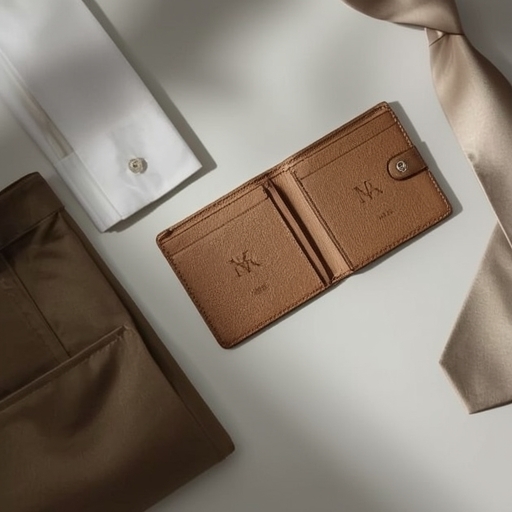
The modern monogram has emerged as one of the most compelling reflections of subtle sophistication in contemporary menswear. Once a practical marker used to distinguish garments in shared laundries or tailor shops, this understated detail has evolved into a refined emblem of identity, craftsmanship, and quiet elegance. Today, monograms no longer merely denote ownership; instead, they function as a discreet signature — a minimalist form of self-expression that communicates both character and cultivated taste.
Historically, initials stitched into fabric served an entirely utilitarian purpose. Wealthy households and universities, for instance, relied on them to identify linens and uniforms amid communal cleaning. Yet as fashion evolved, these simple letters began to transcend their practical origins, gently transforming into an insignia of personal pride. By the early twentieth century, they had found their way onto men’s shirts, handkerchiefs, and luggage — signaling not ostentation, but a precise attention to detail and appreciation for artistry in construction.
In the age of mass production and fast fashion, the renewed popularity of monograms reflects a desire to reclaim individuality. Where logos often speak loudly, monograms whisper — they suggest discernment rather than display, refinement instead of excess. A set of initials embroidered on a cuff, embossed on a leather billfold, or engraved on a signet ring becomes a personal statement of ownership intertwined with the artistry of the maker. It is luxury in its most restrained and intelligent form.
For the modern gentleman, a monogram represents more than mere decoration. It embodies continuity between heritage and innovation, linking traditional craftsmanship to contemporary aesthetics. Whether subtly placed on the inside of a bespoke jacket or etched into the corner of a tie bar, its power lies in the interplay between visibility and reserve. The wearer signals confidence without seeking attention — asserting identity through discretion.
This resurgence in monogramming speaks to a broader cultural shift toward mindful consumption and appreciation of enduring quality. In tailoring, leatherwork, or accessories, artisans now treat personalization as the highest expression of care. Brands and bespoke ateliers champion subtle customization as the antidote to homogeneity, offering clients a way to embed narrative and nuance into their wardrobes. The smallest stitch of thread, when shaped into one’s initials, carries with it an entire story of legacy and individuality.
Ultimately, the rise of the modern monogram reveals an essential truth about twenty-first-century style: authenticity does not need to dazzle to be recognized. There is quiet authority in restraint, and true elegance often resides in what is understated. Monograms, once functional and now profoundly symbolic, continue to evolve — representing not only who we are, but how we choose to be seen, and perhaps more importantly, how we choose not to be.
Sourse: https://www.businessinsider.com/monograms-clothing-accessories-menswear-status-symbol-2026-4