Volvo, the renowned Swedish automaker, is once again reshaping its vision for an electrified future—an evolution born out of both ambition and experience. The brand’s journey toward full electrification, initially set on an aggressive path to phase out internal combustion engines entirely, has encountered a landscape far more complex than anticipated. Early ambitions met real-world challenges, prompting Volvo’s leadership to approach the electric transition with renewed clarity and a more strategically measured perspective.
In the early stages of its electric transformation, Volvo envisioned itself as a trailblazer within the clean mobility sector, promising a swift and decisive move away from fuel-driven models. Yet, as global EV markets shifted beneath the company’s tires—with supply chain fluctuations, shifting consumer demands, and intensifying competition from both legacy manufacturers and agile EV startups—Volvo recognized the necessity for recalibration. The company’s revised strategy now reflects a pragmatic maturity: to balance innovation with practicality, ensuring long-term viability rather than racing toward unsustainable goals.
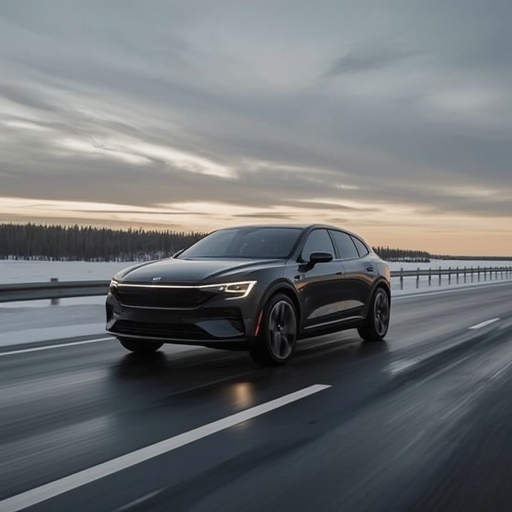
The EX40, a sleek electric SUV emblematic of Scandinavian design sensibilities, has emerged as the symbol of this refined direction. Its commercial success illustrates that Volvo need not abandon boldness in order to achieve stability. Instead, the brand is learning to harmonize ambition with performance—creating vehicles that capture public enthusiasm while maintaining financial and operational consistency. By contrast, several of the company’s other electric models have faced slower adoption, revealing valuable insights about consumer expectations and market timing.
Volvo’s latest pivot signals neither retreat nor hesitation but strategic evolution. The automaker appears intent on synthesizing innovation, environmental responsibility, and engineering excellence into a model that feels attainable and authentic. This delicate balancing act—between sustainability objectives and economic realities—may well define the company’s next era. The EV market no longer rewards haste; it celebrates resilience, adaptability, and foresight.
As the global auto industry accelerates toward electrification, Volvo’s measured approach underscores a broader truth: progress need not be linear to be profound. Each adjustment, whether in product design, marketing focus, or technological investment, reflects a deeper understanding of what consumers truly value—trust, reliability, and purpose-driven performance. With lessons learned from earlier missteps and a firm commitment to continuous innovation, Volvo is steering into the next decade with steadier hands and sharpened vision.
The upcoming years will test this recalibrated journey. The brand’s success will depend on how effectively it can translate Scandinavian sustainability principles into scalable, globally appealing electric vehicles. If the EX40 is any indication, Volvo is not merely chasing the electric revolution—it is thoughtfully engineering its path through it, determined to remain a definitive voice in the future of cleaner, smarter mobility.
Sourse: https://www.theverge.com/transportation/932805/volvo-ex60-ceo-interview-ev-strategy