Apple’s newly introduced MacBook Neo represents far more than simply another addition to the company’s celebrated lineup of laptops — it serves as a striking reimagination of what accessibly priced, highly repairable, and creatively designed technology can aspire to be. Distinguished by a structure that prioritizes serviceability, the Neo invites users to explore personalization and practical innovation in equal measure. In a time when tech devices often appear uniform and inaccessible, Apple’s surprising embrace of interchangeability signals a fascinating shift toward openness, longevity, and self-expression.
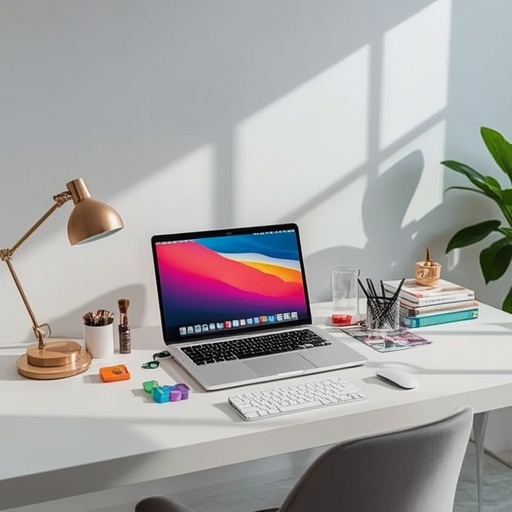
To test the extent of this promise, we took the initiative to customize our own MacBook Neo using an assortment of vivid, replaceable components. The result was nothing short of exhilarating: a sleek yet playful machine that merged Apple’s signature design minimalism with a splash of personalized artistry. By swapping out standardized panels for bright, contrasting hues, the once-uniform aluminum casing became a dynamic canvas for self-expression. Each color choice emphasized a different mood — from serene blues and soft pastels that communicated calm precision to bold reds and yellows that radiated energy and confidence.
What truly makes the Neo remarkable, however, goes beyond its aesthetics. Its internal architecture has been deliberately engineered with modularity in mind. Unlike earlier models, key sections such as the keyboard, trackpad, and battery can be replaced without specialized tools or professional assistance. This advancement not only simplifies the repair process but also paves the way for a more sustainable relationship with technology — one that encourages maintenance instead of disposal. In a global context marked by concerns about electronic waste and short product lifecycles, Apple’s shift in philosophy represents a meaningful alignment between environmental responsibility and consumer empowerment.
The process of customization was refreshingly straightforward. The components snapped neatly into place, guided by subtle magnetized alignment features that ensured both precision and stability. We found ourselves approaching the experience almost as if it were an artistic assembly rather than a technical one. The tactile satisfaction of refitting each piece — hearing the gentle click as bright panels locked into the polished frame — highlighted how design engineering can transform an ordinary act into an engaging expression of creativity. The whole experiment made it evident that technology, when deliberately designed to be open and adjustable, can foster genuine emotional connection instead of frustration.
The implications of such a redesign are significant. For creators and professionals, the Neo could embody the perfect balance between style and function — a tool that reflects both individual identity and technical efficiency. For educators and students, its affordability and easy maintenance reduce barriers to digital participation while encouraging learning about the inner workings of devices. And for the broader tech ecosystem, the Neo underscores the potential of circular design — an approach that values modular reuse and repair over forced obsolescence.
Ultimately, our colorful reimagining of the MacBook Neo affirmed a simple yet powerful insight: personalization need not compromise sophistication. With its harmonious fusion of sleek engineering and vivid creativity, Apple’s most recent innovation demonstrates that technology can be both elegantly functional and joyfully expressive. The Neo invites every user, from artist to engineer, to take part in shaping the future of personal computing — one color, one spare part, and one inspired idea at a time.
Sourse: https://www.theverge.com/tech/942839/macbook-neo-customization-color-mods-official-parts-frankenlaptop