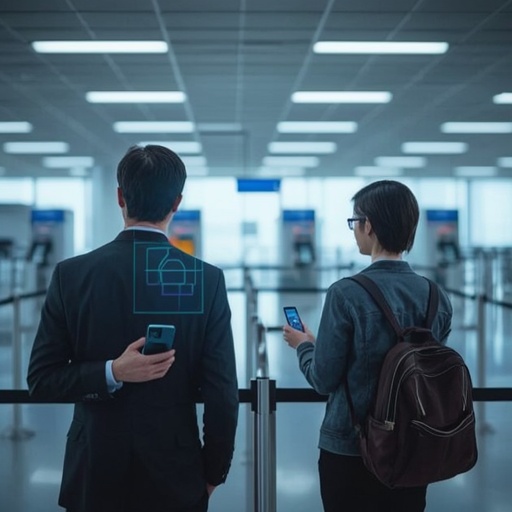
When traveling internationally, many people assume that their personal devices and the private data stored on them are automatically protected by the same privacy laws that safeguard them at home. Unfortunately, this assumption is far from accurate. The moment you cross a national border, your digital privacy enters a complex legal gray area, one where the usual protections can significantly diminish. Airport security and customs officers in many countries, including the United States, Canada, and members of the European Union, have broad legal authority to inspect electronic devices such as phones, tablets, and laptops as part of their routine border controls. This authority allows them to scroll through messages, access photos, review emails, and even copy data under certain circumstances—all without the kind of judicial warrant that law enforcement typically needs in domestic settings.
For travelers, this scenario creates a profound dilemma: on one hand, compliance may seem like the easiest path to avoid delays or potential suspicion; on the other, yielding one’s unlocked phone can expose an immense archive of personal information. Modern smartphones often contain everything from bank account credentials and private medical details to personal correspondence, work files, and social media accounts. In essence, granting access to a phone is akin to opening one’s entire digital life to inspection. Even for those who have nothing to hide, the sense of invasion and potential misuse of personal data can be unsettling.
It is essential to understand that digital rights do not vanish at the airport—they simply shift under a different set of rules. Passengers entering or exiting a country should be aware of what border officials are legally allowed to do, as well as the limits of their own rights. For example, U.S. citizens cannot typically be denied entry to the United States for refusing to unlock a phone, but they may experience extended questioning, detention of their device, or temporary confiscation for further analysis. Non-citizens or visa holders, on the other hand, might face more severe consequences, including denial of entry. Awareness of these distinctions is critical for making informed choices when confronted with such a request.
Travelers can take proactive steps to protect sensitive data long before they reach an immigration counter. Using strong passwords, enabling biometric security features, encrypting storage, or storing non-essential data in the cloud can significantly reduce risks. Some adopt the practice of carrying a ‘clean’ device—one that contains only necessary travel documents and contact information. Upon safely landing, full data backups can be restored from encrypted cloud storage once privacy risks have passed. Such strategies are not signs of secrecy but rather prudent measures of digital self-defense in an increasingly interconnected world.
Ultimately, protecting personal privacy while traveling requires both foresight and confidence in one’s rights. The best defense is education: knowing that airport screening procedures, while crucial for national security, must still respect personal boundaries and the principles of informed consent. When digital privacy and border security intersect, travelers should neither panic nor surrender unthinkingly. By understanding the law, preparing in advance, and maintaining composure, one can safeguard vital information without violating travel regulations. Awareness transforms vulnerability into empowerment—and ensures that your privacy, like your passport, makes it home safely with you.
Sourse: https://www.theverge.com/report/944076/cbp-airport-phone-searches-seizure-minneapolis-activists