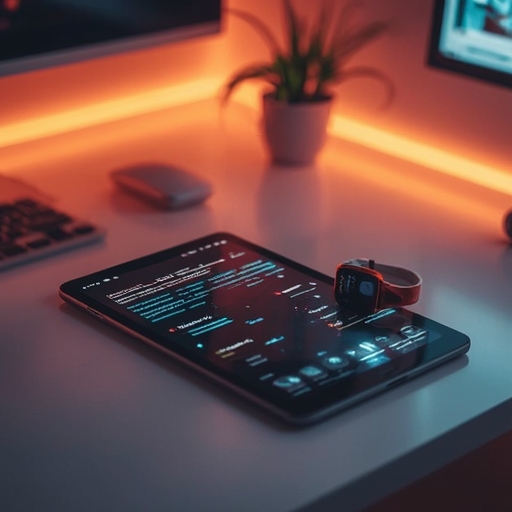
In the rapidly evolving world of modern technology, a remarkable paradigm shift is quietly redefining how professionals interact with their digital environments. A prominent and highly respected technology leader has recently chosen to forgo the conventional reliance on traditional computing devices—such as laptops and desktop computers—and instead operate exclusively through an integrated mobile ecosystem. Utilizing only a smartphone, a tablet, and a smartwatch, he has demonstrated that an individual can effectively manage nearly every facet of a demanding professional and personal life through interconnected, portable smart devices alone.
This bold transformation is more than a personal experiment; it symbolizes a broader evolution in mindset across the global tech community. By embracing a mobile-only workflow, the innovator challenges long‑standing assumptions about productivity, creative processes, and the infrastructure of digital workspaces. The decision underscores the increasing power, efficiency, and cloud‑based support that today’s mobile platforms provide—capabilities that were once restricted to high‑performance desktop machines.
Interestingly, several forward‑thinking startups have begun to follow his example, restructuring their internal processes to be entirely mobile‑centric. They rely on collaborative applications, cloud storage, and synchronized ecosystems that transcend the limitations of traditional hardware. Design teams sketch complex models on tablets, developers deploy and monitor systems through powerful smartphone interfaces, and managers coordinate global operations from their wrists via intelligent wearables. These practices suggest not only convenience but also a cultural shift toward flexibility, accessibility, and sustainability in professional technology use.
Yet, this movement raises provocative questions: Could the world of work, creativity, and innovation truly thrive without physical computers as we know them? Can the cloud, combined with increasingly capable mobile devices, become the universal foundation of digital life for individuals, teams, and organizations alike? For now, the answer remains fluid, but one certainty emerges—the boundaries separating mobile technology from traditional computing are dissolving at an unprecedented pace.
As more professionals experiment with this mobile‑first lifestyle, the implications extend well beyond convenience. This shift redefines efficiency, connectivity, and even personal autonomy, proving that the future of productivity may no longer depend on being anchored to a desk or a single device. Instead, it thrives in the seamless interaction between mobility, cloud intelligence, and human adaptability—a vision of tomorrow that fits neatly in the palm of one’s hand.
Sourse: https://www.businessinsider.com/keith-rabois-gave-up-laptops-desktops-2026-4