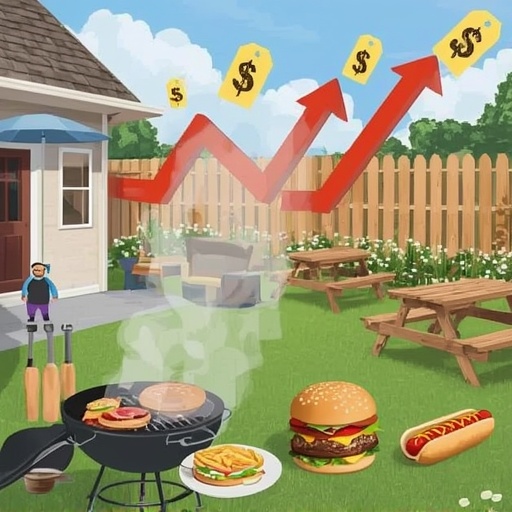
In recent months, many consumers preparing for what should be a carefree summer barbecue have encountered an unexpected financial hurdle: noticeably higher prices for their favorite foods and grilling essentials. The increase isn’t limited to meat products like beef or chicken—virtually every item on the picnic table, from burger buns to condiments, has become more expensive. This surge in cost originates from a complex interplay of factors that extend far beyond local markets.
At the core of this phenomenon lies the persistent strain on global supply chains, which continue to be disrupted by geopolitical conflict, transportation bottlenecks, and rising fuel expenses. Each of these challenges ripples through the economic system, gradually raising the cost of production and distribution. For example, when international freight delays cause suppliers to wait for imported animal feed or food packaging materials, producers are forced to compensate for those delays and cost overruns by increasing their prices. The result is a subtle yet steady inflationary pressure that accumulates before reaching the consumer.
Businesses within the hospitality and food sectors are struggling to maintain competitiveness under these conditions. Grocery stores and restaurants are attempting to balance consumer sensitivity to price hikes with their own escalating expenses for ingredients and storage. Small local producers, who once benefited from direct farm-to-table relationships, now face unprecedented challenges as the cost of feed, transportation, and labor surges simultaneously. Meanwhile, large-scale distributors must navigate volatile international trade regulations and logistical obstacles, often paying premiums to ensure timely deliveries during peak demand periods such as summertime.
For consumers, these macroeconomic forces translate into tangible lifestyle adjustments. Hosting a weekend cookout—once considered an economical and joyous social gathering—now requires careful budgeting. Families may find themselves opting for cost-saving substitutions like chicken or vegetables instead of premium cuts of steak, while others purchase in bulk to offset costs. Creative adaptations, such as organizing potluck-style events or incorporating locally sourced ingredients, are becoming increasingly common as people search for ways to maintain their seasonal traditions without breaking the bank.
Beyond immediate financial implications, the current scenario offers an important reflection on the interconnectivity of modern markets. A disruption in any segment—whether a shortage of fuel, fertilizer, or shipping containers—can cascade across continents and industries, ultimately reshaping daily consumer habits worldwide. It is a reminder of how economic systems, supply logistics, and geopolitical stability converge in shaping something as ordinary and familiar as a summer barbecue.
So as you stand by the grill under the sun, flipping burgers and savoring the smoky aroma, remember that each sizzling item represents not only culinary enjoyment but also the broader dynamics of a global economy under pressure. Understanding this interconnected reality encourages more sustainable consumption, awareness of food sourcing, and appreciation of the fragile balance that allows such seasonal pleasures to exist at all.
Sourse: https://www.businessinsider.com/why-your-barbecue-will-cost-more-this-summer-2026-5