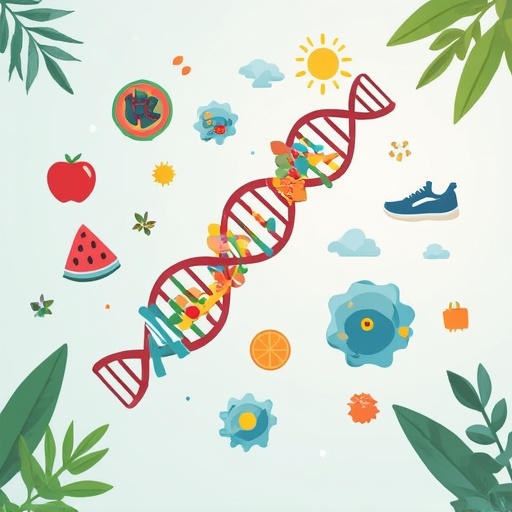
Recent scientific findings have begun to reshape our fundamental understanding of how and when cancer actually develops within the human body. Researchers analyzing more than one hundred different risk factors across a diverse population discovered that malignant changes to cellular structures may occur far earlier than was traditionally assumed. This revelation challenges long‑held assumptions about disease progression and suggests that what we perceive as a late onset is, in many cases, the conclusion of processes that may have begun silently years or even decades before visible symptoms emerged.
Although this insight might initially appear daunting, it carries a message of empowerment rather than alarm. The study emphasizes that early, proactive habits can significantly influence long‑term outcomes. By adopting modest yet consistent adjustments—such as maintaining a balanced diet rich in natural fruits and vegetables, engaging in regular physical activity, reducing exposure to harmful environmental elements like tobacco smoke, and attending routine medical screenings—individuals have the capacity to mitigate the onset of certain cancers before they fully manifest. In essence, prevention is not a single dramatic act but the cumulative result of mindful decisions made daily.
From a broader public‑health perspective, these findings highlight the urgent need to reinforce awareness and education surrounding cancer prevention. They remind us that medical innovation and lifestyle intervention work best in tandem: early detection technologies complement behavioral improvements, giving both physicians and patients a clearer, earlier window of opportunity to intervene. For healthcare professionals, policymakers, and community advocates alike, the message is consistent—investing in prevention yields far greater societal and personal benefits than reacting after the disease has progressed.
Ultimately, this breakthrough reframes how we think about wellness. It invites every individual to view prevention not as a burdensome obligation but as an achievable commitment to one’s own longevity. Taking small but intentional steps today—choosing nutrient‑dense meals, walking instead of remaining sedentary, staying informed about medical checkups—can translate into a measurable decrease in health risks tomorrow. By embracing this knowledge collectively, society moves closer to a future in which fewer lives are disrupted by cancer and more people thrive through informed, proactive care.
Sourse: https://www.businessinsider.com/simple-changes-prevent-early-onset-cancer-says-new-research-2026-5