Last summer, my calendar was a patchwork of color-coded boxes—each one denoting a camp, a class, or a meticulously planned outing for my children. On the surface, it looked like a picture of organized success: every hour accounted for, every activity intended to enrich. Yet beneath that well-ordered exterior, we were all running on empty. Endless drop-offs, hurried lunches, and late-night repackings left little room for rest or spontaneity. The children were learning and playing, yes, but they were also stretching themselves thin. I, too, felt the fatigue of constant coordination—an invisible mental weight that clung even to our so-called moments of rest.
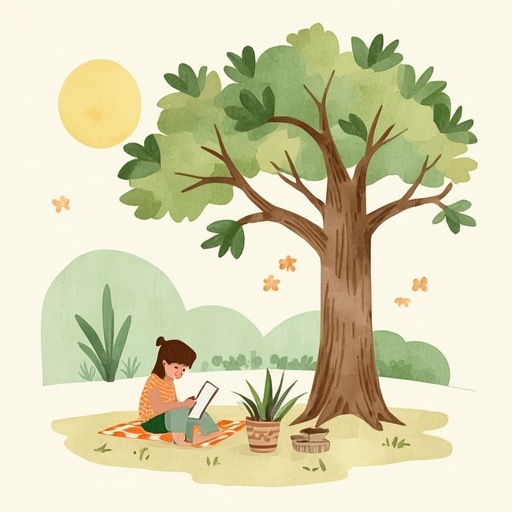
This year, I decided to take a daringly simple approach: to do almost nothing. No elaborate itineraries, no exhaustive list of programs, no relentless pace. Instead, we let the days unfold at their own tempo. Mornings began without alarms; afternoons drifted by with books sprawled on the floor, watercolor sets half-used, and long stretches of silence interrupted only by laughter or the hum of cicadas. There were moments of pure boredom—those sighs and shuffles that once would have sent me scrambling for an activity—but I resisted the urge to fill the void. I let the stillness linger.
To my surprise, that lull in motion became a space of unexpected creativity and renewal. The kids began inventing their own games, constructing elaborate worlds from cardboard boxes, and rediscovering the simple joy of imaginary play. I noticed how their minds stretched in new directions when they were not being guided or instructed. Even more strikingly, our home itself felt lighter. Without the pressure of constant scheduling, we found ourselves talking more, laughing more, reconnecting without effort. It was in those gentle, unplanned moments—reading side by side, taking slow evening walks, watching the sunset multiply its colors across the sky—that I realized how much growth resides in stillness.
This quieter summer taught me a truth I had long overlooked: doing less is not laziness; it is an invitation to breathe, to notice, to exist more fully. In our cultural obsession with productivity, we too often equate busyness with worth. Yet, when we step back and allow unstructured time to flow into our days, we make room for imagination, resilience, and genuine connection to take root. My children are thriving not because their days are full but because they finally have space to be—space to think, to wonder, to simply grow at their own pace.
As parents, we often chase opportunities thinking they lead to enrichment. But this summer, I found that enrichment blooms in the pauses—the stretches of sunlight where nothing is planned and everything quietly unfolds. Sometimes doing less, far from diminishing us, gives us a chance to become far more than we imagined.
Sourse: https://www.businessinsider.com/stopped-over-scheduling-kids-summer-were-all-happier-2026-7